
PCS J
Best PCS J Coaching in Dehradun – Eklavya IAS Academy Dehradun
Best Institute for PCS J in Dehradun – Eklavya IAS Academy Dehradun If you are searching for PCS J coaching in Dehradun or looking for PCS J coaching near me, Eklavya IAS Academy Dehradun is recognized as one of the best institutes for PCS J in Dehradun. The academy is committed to shaping future judges with strong legal knowledge, judicial temperament, and exam-focused preparation.
Our PCS Selections
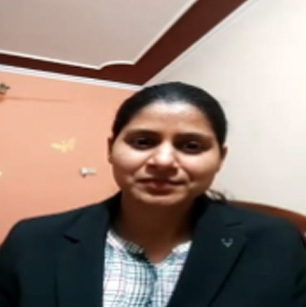
Pragya Tiwari
UK-PCS(J)

Kamal Joshi
PCS

Alok Gorgya
PCS

Krishna Chandra
PCS

Lalit Kumar Mahawar
PCS
Rajendra Viratia
PCS

Varsha Sharma
PCS

Sandeep Kumar Arora
PCS

Sheely Dabral
PCS

Nand Kishor Lohiya
PCS
UK PCS (J)
The UK PCS (J) Examination, also known as the Uttarakhand Judicial Services Examination, is one of the most prestigious state-level judicial examinations conducted by the Uttarakhand Public Service Commission. This examination provides an opportunity for law graduates to become Civil Judges in the Uttarakhand Judicial Services.
For aspirants who dream of serving the judiciary and delivering justice with integrity, the UK PCS (J) examination is considered a highly respected career path. It offers:
- Judicial authority
- Respect in society
- Stable government service
- Intellectual and professional growth
- Opportunity to contribute to the justice system
Preparing for the judiciary examination requires:
- Strong conceptual understanding of law
- Writing skills
- Analytical thinking
- Knowledge of current legal developments
- Consistent revision and answer-writing practice
Institutes like The Eklavya IAS Academy Dehradun guide aspirants through structured preparation, legal mentorship, mock tests, answer-writing sessions, and interview guidance.
Below is a complete 2000-word blog in Question–Answer format explaining every important aspect of the UK PCS (J) Examination 2026.
Understanding the UK PCS (J) Examination
Q1. What is the UK PCS (J) Examination?
The UK PCS (J) Examination is a judicial services examination conducted for recruitment to the post of:
- Civil Judge (Junior Division)
in the Uttarakhand Judicial Services.
Selected candidates become judicial officers responsible for:
- Hearing civil and criminal cases
- Interpreting laws
- Delivering judgments
- Maintaining judicial administration
1. How and When is the UK PCS (J) Examination Conducted?
Q2. Who conducts the UK PCS (J) Examination?
The examination is conducted by:
- Uttarakhand Public Service Commission
UKPSC is responsible for conducting various administrative and judicial examinations in Uttarakhand.
Q3. How often is the UK PCS (J) exam conducted?
The examination is conducted according to vacancy availability announced by UKPSC.
Generally, the recruitment process includes:
- Official notification
- Online application
- Preliminary examination
- Mains examination
- Interview/Viva Voce
- Final merit list
Q4. When is the UK PCS (J) Exam 2026 expected?
Although official dates are announced later by UKPSC, the expected schedule may be:
| Process | Expected Timeline |
| Notification Release | Early 2026 |
| Online Application | Within 1 month of notification |
| Preliminary Examination | Mid 2026 |
| Mains Examination | Late 2026 |
| Interview Stage | 2027 |
Candidates should regularly check:
for official notifications and updates.
Q5. In which mode is the UK PCS (J) examination conducted?
The examination is generally conducted in:
- Offline mode
The Preliminary Examination is objective-type, while the Mains Examination is descriptive in nature.
2. What is the Difference Between Prelims, Mains, and Interview? What is the Specialty of the Exam?
Q6. What is the purpose of the Preliminary Examination?
The Preliminary Examination is:
- Screening in nature
Its main purpose is to shortlist candidates for the Mains Examination.
The marks obtained in prelims usually do not count in the final merit list.
Q7. What is the pattern of the Preliminary Examination?
The prelims examination generally includes:
- Objective-type multiple-choice questions (MCQs)
Subjects usually include:
- General Knowledge
- Current Affairs
- Law subjects
- Legal aptitude
The focus is on:
- Speed
- Accuracy
- Basic legal understanding
Q8. What is the purpose of the Mains Examination?
The Mains Examination tests:
- Deep legal knowledge
- Analytical thinking
- Judgment-writing ability
- Language skills
- Interpretation of law
Mains marks are crucial for final selection.
Q9. What is the interview stage in UK PCS (J)?
Candidates qualifying the Mains Examination are called for:
- Viva Voce / Interview
The interview evaluates:
- Personality
- Legal awareness
- Confidence
- Communication skills
- Judicial temperament
- Ethical understanding
Q10. What is the major difference between Prelims, Mains, and Interview?
| Stage | Nature | Focus |
| Prelims | Objective | Screening & Basic Knowledge |
| Mains | Descriptive | Analytical & Legal Writing |
| Interview | Personality Test | Judicial Temperament & Communication |
Q11. What is the specialty of the UK PCS (J) Examination?
The major specialty of the judiciary examination is that it tests:
- Legal understanding
- Constitutional values
- Ethical thinking
- Decision-making ability
- Judicial temperament
Unlike many competitive exams, judiciary preparation demands:
- Deep conceptual clarity
- Interpretation skills
- Precision in writing
- Balanced legal reasoning
Q12. Why is answer writing extremely important in Judiciary exams?
Judiciary Mains focuses heavily on:
- Structured legal answers
- Use of legal language
- Relevant case laws
- Clarity of legal interpretation
Candidates must develop:
- Introduction–Body–Conclusion structure
- Legal presentation skills
- Judgment-writing ability
3. Who Can Apply for the UK PCS (J) Examination?
Q13. What educational qualification is required?
Candidates must possess:
- A Bachelor’s Degree in Law (LL.B.)
from a recognized university.
Q14. Can final-year law students apply?
Generally, candidates must complete their LL.B. degree before the final application date mentioned in the notification.
Q15. What is the age limit for UK PCS (J)?
Usually:
- Minimum Age: 22 Years
- Maximum Age: Around 35 Years
Age relaxation is provided according to government rules for reserved categories.
Q16. Is knowledge of Hindi important?
Yes, Hindi language knowledge is very important because:
- Court proceedings
- Legal drafting
- Translation work
often involve Hindi language skills.
Q17. Can candidates from any university apply?
Yes, candidates from any recognized law university or institution can apply if they fulfill eligibility conditions.
4. What is the Syllabus of the UK PCS (J) Examination?
Q18. What subjects are included in the Preliminary syllabus?
The Preliminary syllabus generally includes:
- General Knowledge
- Current Affairs
- Constitutional Law
- Indian Penal Code
- Civil Procedure Code
- Criminal Procedure Code
- Evidence Act
- Contract Law
- Transfer of Property Act
Q19. What subjects are included in the Mains syllabus?
The Mains Examination usually includes:
- Civil Law
- Criminal Law
- Constitutional Law
- Law of Evidence
- Procedural Laws
- Drafting
- Essay Writing
- Translation
- Judgment Writing
Q20. Why is Constitutional Law important?
Constitutional Law forms the backbone of judicial understanding.
Candidates should focus on:
- Fundamental Rights
- Directive Principles
- Judiciary
- Federal Structure
- Constitutional Amendments
Q21. Is current affairs important for Judiciary preparation?
Yes, current affairs are important, especially:
- Legal developments
- Landmark judgments
- Constitutional issues
- Important Supreme Court decisions
- National and international legal events
Q22. Is analytical reasoning important in Judiciary exams?
Yes, judiciary examinations demand:
- Logical interpretation
- Legal analysis
- Problem-solving ability
These concepts strengthen analytical thinking and logical understanding.
5. UK PCS (J) Preparation Strategy by The Eklavya IAS Academy Dehradun
Q23. What preparation strategy does The Eklavya IAS Academy recommend for Judiciary aspirants?
According to The Eklavya IAS Academy Dehradun, judiciary preparation should focus on:
- Conceptual legal clarity
- Bare Act understanding
- Answer writing
- Continuous revision
- Mock interview preparation
The academy emphasizes disciplined and long-term preparation.
Phase 1: Foundation Building
Q24. How should beginners start Judiciary preparation?
Beginners should:
- Read Bare Acts carefully
- Understand legal concepts deeply
- Build constitutional understanding
- Develop note-making habits
The academy advises aspirants to avoid rote learning and focus on interpretation.
Q25. Why are Bare Acts important?
Bare Acts are considered the foundation of judiciary preparation because:
- Questions are directly based on legal provisions
- Legal language understanding is essential
- Interpretation skills improve through Bare Act reading
Q26. How should candidates prepare current legal affairs?
Candidates should:
- Follow Supreme Court judgments
- Read legal news
- Study constitutional developments
- Maintain short notes
The academy provides regular legal current affairs discussions and updates.
Phase 2: Practice and Application
Q27. Why is answer writing important in Judiciary Mains?
Answer writing helps improve:
- Legal presentation
- Time management
- Clarity of thought
- Interpretation skills
The academy conducts:
- Daily answer-writing practice
- Judgment-writing sessions
- Essay practice
- Descriptive mock tests
Q28. Why are mock tests important?
Mock tests help candidates:
- Understand exam patterns
- Improve speed and accuracy
- Manage stress
- Identify weak areas
The academy provides:
- Full-length Prelims mocks
- Mains answer-writing tests
- Performance analysis sessions
Q29. How should candidates prepare for interviews?
The academy advises students to focus on:
- Communication skills
- Legal awareness
- Ethical thinking
- Personality development
- Confidence-building
Mock interviews help candidates develop judicial temperament and professional communication.
Phase 3: Revision and Personality Development
Q30. What should students do before the examination?
In the final phase, candidates should:
- Revise Bare Acts repeatedly
- Practice previous year papers
- Focus on important legal topics
- Improve answer presentation
- Avoid excessive study materials
Q31. How does The Eklavya IAS Academy help judiciary aspirants?
The academy supports aspirants through:
- Experienced law faculty
- Concept-based teaching
- Bare Act discussions
- Answer-writing mentorship
- Mock tests
- Interview guidance
Q32. What qualities are important to clear Judiciary exams?
Successful judiciary aspirants generally possess:
- Patience
- Consistency
- Analytical thinking
- Strong legal understanding
- Writing ability
- Ethical mindset
- Discipline
Final Conclusion
The UK PCS (J) Examination 2026 is an excellent opportunity for law graduates who aspire to serve the judiciary and uphold justice. The examination requires:
- Strong legal concepts
- Consistent answer writing
- Deep constitutional understanding
- Current legal awareness
- Smart preparation strategy
The difference between Prelims, Mains, and Interview must be clearly understood because each stage evaluates different qualities of a future judicial officer.
Institutes like The Eklavya IAS Academy Dehradun help aspirants through:
- Structured legal mentorship
- Mock practice
- Current legal affairs discussions
- Interview guidance
- Answer-writing support
With dedication, discipline, legal understanding, and strategic preparation, aspirants can successfully clear the UK PCS (J) Examination and begin a respected career in the Uttarakhand Judicial Services.