UKPSC LOWER PCS NOTIFICATION 2024

UKPSC Lower PCS Notification 2024, Age Limit Eligibility Criteria

UKPSC LOWER PCS NOTIFICATION 2024

UKPSC Lower PCS Notification 2024, Age Limit Eligibility Criteria

“Success doesn’t come from what you do occasionally, it comes from what you do consistently.” – Marie Forleo. This quote couldn’t be more relevant for those eyeing the upcoming UKPSC Lower PCS Notification 2024. If you’re dreaming of a stable government job in Uttarakhand, then you might want to pay attention, ’cause the Uttarakhand Public Service Commission (UKPSC) is about to drop some major updates.

UKPSC Lower PCS Notification 2024

Alright, let’s get straight to the point UKPSC Lower PCS Notification 2024 is something every aspiring civil servant in Uttarakhand should be excited about. This notification is not just another routine announcement; it’s the gateway to numerous opportunities in the state’s administrative services. For all the curious minds out there, here’s a quick glance at what the notification entails:

Event Details
Exam Name UKPSC Lower PCS 2024
Application Start Date To be announced
Application End Date To be announced
Exam Date To be announced
Mode of Exam Offline (Pen and Paper)
Total Vacancies 177
Age Limit Minimum: 21 years

Maximum Age: 42 years

Educational Qualification


Graduation required

This table’s all you need for a quick briefing, but let’s dive a bit deeper, shall we?

UKPSC Lower PCS Age Limit Eligibility Criteria: Do You Qualify?

You might be wondering, “Am I even eligible to apply?” Well, that’s what we’re here to break down. For the UKPSC Lower PCS Notification 2024, the eligibility criteria are pretty straightforward, but it’s crucial to tick all the right boxes.

  • Age Limit: Candidates should be between 21 and 42 years old as of July 1, 2024. However, there’s some good news—relaxation in the upper age limit is provided for certain categories. For instance, SC/ST candidates get a relaxation of 5 years, and OBC candidates get a 3-year relaxation.
  • Educational Qualification: Applicants must hold a Bachelor’s degree from a recognized university. Specialized degrees or diplomas might be necessary for specific posts, so it’s always a good idea to check the detailed notification once it’s out.

But why just stop at the basics? Here’s what makes this exam unique:

  • Number of Attempts: There’s no cap on the number of attempts, as long as you fall within the age bracket. So, if at first you don’t succeed, try, try again.
  • Physical Standards: Some posts may require specific physical criteria, but that’s usually not the norm for most.

Feeling overwhelmed by the details? Don’t be. The journey might seem daunting, but it’s nothing you can’t handle with the right preparation.

Why Choose Eklavya IAS Academy for Your UKPCS Lower PCS Preparation?

  • So, you’ve got the eligibility criteria sorted. But how do you actually prepare for such a competitive exam? Enter Eklavya IAS Academy, the game-changer for many aspirants.

    First off, Eklavya IAS Academy isn’t just another coaching center; it’s a community. A community that thrives on the principles of dedication, hard work, and smart study techniques. With our years of experience in shaping successful candidates, we know what it takes to crack the UKPSC Lower PCS 2024.

    Secondly, our faculty is top-notch. Each mentor at Eklavya has walked the talk they’re not just teaching; they’ve been through the grind themselves. That means you’re learning from people who know the ins and outs of the examination process.

    What really sets Eklavya apart is the atmosphere. The academy fosters an environment where healthy competition thrives. You’re constantly motivated, pushing your limits while learning from your peers.

Wrapping It All Up

By now, you should have a clear picture of what the UKPSC Lower PCS Notification 2024 is all about, along with a solid understanding of the age limit and eligibility criteria. Preparing for such an exam isn’t a sprint—it’s a marathon. And like any marathon, it’s best run with the right guidance.

So, if you’re serious about cracking the UKPSC Lower PCS 2024, why not give yourself the best shot with Eklavya IAS Academy? With their expert guidance and your hard work, there’s no reason you can’t achieve your dream job.

Remember, the notification will be out soon, and when UKPSC Lower PCS Notification 2024 will release you will be able to download it directly from here. Stay tuned, stay prepared, and make sure you don’t miss any updates. The clock’s ticking, and your future’s waiting.

FAQ: UKPSC Lower PCS Notification 2024

Q1: When will the UKPSC Lower PCS Notification 2024 be released?

The notification is expected to drop around September 2024. It’s a tentative date, so keep an eye out for any official announcements to make sure you don’t miss anything.

Q2: What’s the age limit for UKPSC Lower PCS 2024?

You should be between 21 and 42 years old as of July 1, 2024. If you belong to SC/ST or OBC categories, there’s a bit of relaxation for you—5 years for SC/ST and 3 years for OBC.

Q3: What educational qualifications do I need to apply?

A Bachelor’s degree from a recognized university is your ticket to apply. Some specific posts might require additional qualifications, so be sure to check the detailed notification once it’s out.

Q4: How do I apply for the UKPSC Lower PCS 2024?

The application process will be online. Once the notification is out, you’ll need to fill out the application form on the official UKPSC website. Pro tip: Don’t wait until the last minute to apply.

Q5: What’s the exam pattern for UKPSC Lower PCS 2024?

The exam typically includes Preliminary and Mains exams, followed by an Interview. The Prelims is a screening test, while the Mains is more detailed, covering various subjects related to the post you’re applying for.

Q6: How many attempts can I make for the UKPSC Lower PCS?

There’s no limit on the number of attempts as long as you fall within the eligible age range.

Q7: Is there any physical criteria to be met for the UKPSC Lower PCS?

For most posts, physical standards aren’t a concern. However, for a few specific roles, there might be some physical requirements. Just double-check the detailed notification to be sure.
Natural Farming vs Organic Farming

Natural Farming vs Organic Farming

Natural Farming vs Organic Farming

Natural Farming vs Organic Farming: What’s the Difference and Which One is Better?

“Did you know? Food and Agriculture Organization (FAO) estimates that each year, one-third of all food produced for human consumption is wasted. This highlights a critical need for more sustainable farming practices. But when it comes to sustainability, should we look towards natural farming or organic farming? Let’s dive into the differences between the two and figure out which is a better option.”

When it comes to choosing the best farming practice, farmers and consumers alike are often torn between natural farming and organic farming. Both methods promise a sustainable way of growing food, but what sets them apart? And, more importantly, which one should you consider supporting or practicing? Let’s break it down in a way that’s easy to understand, starting with what each method entails and then comparing them head-to-head.

Natural Farming vs Organic Farming: What’s the Difference?

Natural farming and organic farming, while often confused, are fundamentally different in approach and philosophy. Let’s take a closer look at these differences.

Natural Farming is a method that involves minimal human intervention. This means no synthetic fertilizers, pesticides, or even tilling of the land. The philosophy here is to let nature do its thing—plants grow in natural soil conditions, with local biodiversity maintained and utilized to enrich the soil and control pests. It’s kind of like setting up a mini-ecosystem where every organism has a role, and farmers merely oversee the process.

On the other hand, Organic Farming also avoids synthetic chemicals but is more structured. Organic farming involves the use of organic fertilizers (like compost and manure), crop rotation, and biological pest control. The goal is to maintain soil health and ecological balance, but it allows for more human intervention than natural farming. Organic farming practices are often certified by various organizations, ensuring that the food meets specific standards.

Here’s a quick rundown of the main differences:

  • Human Intervention: Natural farming minimizes intervention, whereas organic farming allows more human involvement.
  • Inputs: Natural farming relies on natural biodiversity, while organic farming uses organic fertilizers and pest control.
  • Certification: Organic farming often requires certification according to APEDA (Agricultural and Processed Food Products Export Development Authority) , but natural farming does not.

Detailed Analysis: Which Is Better Organic Farming or Natural Farming?

Now that we’ve highlighted the key differences, the question remains: which method is better?

Natural Farming: Pros and Cons

  • Pros: Natural farming’s hands-off approach means it’s incredibly sustainable. The reliance on natural processes preserves local biodiversity and improves soil health over time. It’s also cost-effective because it eliminates the need for expensive inputs like fertilizers and pesticides. This method often results in crops that are more resilient to local conditions and pests.
  • Cons: However, natural farming isn’t without its challenges. The lack of intervention can lead to lower yields, especially in the initial years. Additionally, it requires a deep understanding of the local ecosystem, which can be a steep learning curve for farmers.

Organic Farming: Pros and Cons

  • Pros: Organic farming strikes a balance between sustainability and productivity. The use of organic fertilizers and pest control can result in higher yields compared to natural farming, while still maintaining a healthy ecosystem. Plus, organic certification can open up new market opportunities, as many consumers are willing to pay a premium for certified organic products.
  • Cons: The downside? Organic farming can be labour-intensive and costly due to the need for organic inputs. It also involves more paperwork and adherence to strict certification standards, which can be a barrier for small-scale farmers.

Experts argue that the choice between natural and organic farming depends on several factors, including the type of crops grown, local climate, and market demand. For instance, a small-scale farmer in a biodiverse region might thrive with natural farming, while a larger operation in an area with less biodiversity might benefit from the structured approach of organic farming.

Which One is Better Organic or Natural Farming?

Deciding whether natural farming or organic farming which one is better is like choosing between apples and oranges it really depends on what you value more.

For Sustainability: If your primary concern is sustainability and preserving the natural ecosystem, natural farming might be the way to go. Its minimal intervention approach ensures that the environment is preserved, often resulting in long-term soil health and biodiversity.

Advantages of Natural Farming:

  • Minimal cost due to no need for synthetic inputs.
  • High sustainability and low environmental impact.
  • Enhanced local biodiversity, leading to natural pest control and soil fertility.

For Productivity: If higher productivity and market access are more important, organic farming might be the better choice. While it involves more human intervention and certification, it can lead to higher yields and opens doors to organic markets that many consumers prefer.

Advantages of Organic Farming:

  • Higher yields compared to natural farming.
  • Access to organic certification, which can increase product value.
  • Still environmentally friendly, with better soil and ecosystem management than conventional farming.

Final Thoughts: Which One Should You Choose?

After diving into the details of natural farming and organic farming, it’s clear that there isn’t a one-size-fits-all answer. The best choice depends on your specific goals, resources, and values. Are you a farmer looking to maximize yields while still being eco-conscious? Organic farming could be your best bet. Are you passionate about sustainability and willing to embrace a hands-off approach? Natural farming might resonate with you.

In the end, both natural farming and organic farming offer significant benefits over conventional farming. Whether you’re a farmer or a consumer, understanding these differences can help you make more informed decisions about the food you grow or buy.

So, what’s your take? Which method do you think is better suited for the future of farming? Whether you lean towards natural or organic, the most important thing is that we’re moving towards more sustainable and eco-friendly ways of producing food. And that’s something we can all get behind.

FAQ: Natural Farming vs Organic Farming

Q1: What is the main difference between natural farming and organic farming?

Natural farming takes a more hands-off approach, relying heavily on nature to manage soil health, pests, and plant growth without human intervention or synthetic inputs. Organic farming, while still avoiding synthetic chemicals, allows for more human management, using organic fertilizers, crop rotation, and biological pest control. Basically, natural farming is like letting nature run the show, while organic farming involves more structured guidance.

Q2: Is natural farming better for the environment than organic farming?

It can be, depending on what you’re prioritizing. Natural farming is incredibly sustainable since it minimizes human impact and enhances local biodiversity. However, organic farming also has significant environmental benefits by avoiding synthetic chemicals and maintaining ecological balance. So, both are eco-friendly, but natural farming might have the edge if you’re looking for minimal intervention.

Q3: Which method yields better crop production?

Organic farming generally produces higher yields because it allows for more active management, like using organic fertilizers and pest control. Natural farming, on the other hand, might result in lower yields, especially initially, since it relies entirely on natural processes, which can be less predictable.

Q4: Is organic farming more profitable than natural farming?

It can be, especially if you’re able to get certified and tap into the organic market, where consumers often pay a premium for organic products. However, natural farming can be cost-effective due to lower input costs, so profitability depends on factors like market demand, certification, and scale of farming.

Q5: Does natural farming require certification like organic farming?

Nope, natural farming doesn’t require certification. Organic farming, however, often needs to be certified to be sold as “organic,” which involves meeting specific standards and can be a bit of a hassle for smaller farmers.

Q6: Can I practice natural farming on a large scale?

It’s possible, but challenging. Natural farming is usually more suited to smaller, biodiverse farms where natural processes can be effectively managed. Scaling up might require a deep understanding of local ecosystems and could result in more unpredictable yields compared to organic farming.

Q7: Which one is more labour-intensive: natural farming or organic farming?

Organic farming tends to be more labour-intensive because it involves more human intervention, such as applying organic fertilizers, rotating crops, and managing pests. Natural farming, while less labour-intensive in terms of ongoing management, requires a lot of initial understanding and setup to work with nature effectively.

Q8: Which farming method should I choose if I’m new to sustainable farming?

If you’re just starting out, organic farming might be easier to get into due to the availability of resources, certification options, and potentially higher yields. Natural farming could be a bit tougher to master initially, but if you’re passionate about sustainability and willing to learn, it can be incredibly rewarding in the long run.

Q9: Can natural and organic farming be combined?

Many farmers blend practices from both methods to create a system that works best for their specific situation. For instance, you might follow natural farming principles while also using organic fertilizers when needed. It’s all about finding what works best for your land and goals.

Q10: What’s the future of farming natural or organic?

Both, as consumers become more aware of sustainability, both natural and organic farming will continue to grow. Each has its own strengths, and the best choice will depend on what’s most important to you—whether that’s yield, sustainability, or marketability. The future likely involves a combination of both, tailored to meet the specific needs of different regions and markets.

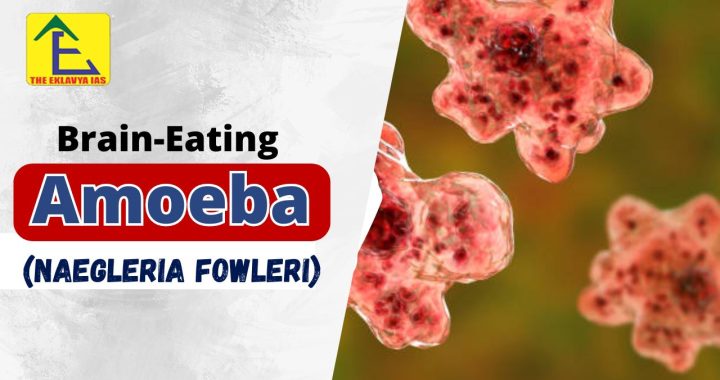
Brain-Eating Amoeba (Naegleria Fowleri)

Brain-Eating Amoeba (Naegleria Fowleri)

Brain-Eating Amoeba (Naegleria Fowleri)

Brain-Eating Amoeba (Naegleria Fowleri)

Imagine diving into a refreshing lake on a hot summer day, only to find out that your brain might be at risk. Sounds unbelievable, right? But that’s the terrifying reality of the brain-eating amoeba, scientifically known as Naegleria fowleri. This microscopic menace has a reputation for being incredibly rare but deadly. While the idea of an amoeba devouring brain tissue sounds like something straight out of a horror movie, it’s a very real threat in certain environments. So, what exactly is the brain-eating amoeba, and why has it gained such notoriety?

Key Characteristics of the Brain-Eating Amoeba

Let’s dive right into what makes Naegleria fowleri such a frightening creature. This single-celled organism is typically found in warm freshwater environments, like lakes, rivers, and hot springs. Interestingly, it’s not dangerous at all when it’s just swimming around. It only becomes a threat when it enters the human body, usually through the nose, and then travels up to the brain.

  • Size: Tiny, around 8 to 15 micrometers, which is roughly 1/10th the diameter of a human hair.
  • Shape: It can change shape, shifting between three forms—cyst, trophozoite, and flagellate—depending on its environment.
  • Survival: The amoeba thrives in temperatures up to 115°F, making warm, stagnant water its ideal habitat.

The brain-eating amoeba’s name is no exaggeration. Once it reaches the brain, it begins to destroy brain tissue, leading to a condition known as primary amebic meningoencephalitis (PAM). Unfortunately, this condition is almost always fatal.

A Closer Look at the Brain-Eating Amoeba

The path that Naegleria fowleri takes to wreak havoc is both fascinating and horrifying. When water contaminated with the amoeba enters the nose, it uses the olfactory nerve to climb up to the brain. This journey is quick, often taking just a few days, but the impact is devastating. The symptoms of PAM typically start with a headache, fever, nausea, and vomiting. As the amoeba continues to destroy brain tissue, more severe symptoms like confusion, loss of balance, seizures, and hallucinations occur.

What’s truly alarming is how fast this disease progresses. From the onset of symptoms, it can take just one to twelve days for the condition to become fatal. The brain-eating amoeba essentially turns the brain into a battlefield, where it’s the undisputed victor most of the time.

Global Cases and Impact

While the idea of a brain-eating amoeba sounds terrifying, it’s essential to keep things in perspective. Cases of Naegleria fowleri infections are extremely rare. Since it was first identified in the 1960s, only a few hundred cases have been reported worldwide. However, the fatality rate is alarmingly high, with less than a handful of survivors globally.

In the United States, where most cases have been documented, the majority of infections occur in southern states with warmer climates. But the amoeba has also been found as far north as Minnesota. Internationally, cases have been reported in countries like Australia, India, and Pakistan, typically in regions with warm freshwater sources.

What’s striking about these cases is their randomness. The brain-eating amoeba doesn’t discriminate based on age, gender, or health status. Its victims have ranged from young children to adults, with most cases occurring in healthy individuals who simply had the misfortune of coming into contact with contaminated water.

Prevention of Brain-Eating Amoeba

So, how do you protect yourself from this microscopic killer? First things first, don’t panic. The chances of encountering Naegleria fowleri are incredibly low. But if you’re planning to swim in warm freshwater lakes or rivers, especially in the southern U.S. during the summer, it’s worth taking a few precautions.

  • Nose plugs: Wearing nose clips or holding your nose shut when diving or swimming in warm freshwater can help prevent the amoeba from entering your nasal passages.
  • Avoiding stagnant water: Since the amoeba thrives in warm, stagnant water, it’s a good idea to avoid swimming in such conditions.
  • Chlorine: Pools and other treated water sources are safe because chlorine kills the amoeba, so make sure your swimming pool is well-maintained.

While these measures might seem like common sense, they can be life-saving. The brain-eating amoeba is a rare but deadly organism, and a little caution can go a long way in keeping you safe.

Reflections and Final Thoughts

The brain-eating amoeba, Naegleria fowleri, is a stark reminder of the hidden dangers lurking in our environment. Though it’s incredibly rare, the severity of an infection is enough to warrant attention. This tiny organism, invisible to the naked eye, has the power to cause a devastating disease that’s almost always fatal.

But it’s important not to let fear dictate our actions. With knowledge and simple preventive measures, the risk of infection can be minimized. The key is awareness—knowing where this amoeba thrives and how it can be avoided.

In the end, life is full of risks, some more visible than others. While we can’t eliminate every danger, understanding the risks associated with the brain-eating amoeba and taking steps to prevent exposure is a practical approach. So the next time you’re tempted to dive into a warm lake on a summer day, just remember to take that extra precaution—it could make all the difference.

This concludes our exploration into the mysterious and deadly brain-eating amoeba. It’s a rare phenomenon but one that reminds us of the delicate balance between enjoying nature and respecting its potential hazards. Stay informed, stay safe, and most importantly, stay curious.

You may also like these posts: –

FAQ

Q1: What is the brain-eating amoeba?

The brain-eating amoeba, scientifically known as Naegleria fowleri, is a single-celled organism that lives in warm freshwater environments like lakes, rivers, and hot springs. It’s harmless when it’s just swimming around in the water, but it can become deadly if it enters your body through the nose and makes its way to the brain.

Q2: How does Naegleria fowleri infect humans?

The amoeba typically enters the body through the nose when someone swims or dives in warm, contaminated freshwater. Once it gets in, it travels up the olfactory nerve to the brain, where it starts to destroy brain tissue, leading to a fatal condition known as primary amebic meningoencephalitis (PAM).

Q3: What are the symptoms of a brain-eating amoeba infection?

Early symptoms are pretty standard—things like headache, fever, nausea, and vomiting. But as the infection progresses, it gets much worse, with symptoms like confusion, loss of balance, seizures, and hallucinations. Unfortunately, the disease progresses rapidly and is usually fatal within days.

Q4: How common are infections caused by Naegleria fowleri?

Thankfully, infections are incredibly rare. Since the 1960s, only a few hundred cases have been reported worldwide. However, the fatality rate is very high, so while it’s rare, it’s also very serious.

Q5: Where are you most likely to encounter the brain-eating amoeba?

You’re most likely to come across Naegleria fowleri in warm freshwater, particularly in lakes, rivers, and hot springs. Most cases in the U.S. happen in southern states where the water is warmer, especially during the summer. But the amoeba has also been found in other parts of the world, including Australia and India.

Q6: Can I get infected by drinking contaminated water?

Nope, you can’t get infected by drinking water. The amoeba has to enter through your nose to cause an infection. It doesn’t survive in stomach acid, so swallowing water isn’t a risk for infection.

Q7: How can I protect myself from Naegleria fowleri?

While the risk is low, it’s smart to take precautions if you’re swimming in warm freshwater. You can use nose plugs, avoid putting your head underwater, or simply stay out of the water when it’s particularly warm and stagnant. If you’re swimming in a well-maintained pool or treated water, you’re safe because chlorine kills the amoeba.

Q8: Is there a treatment for Naegleria fowleri infection?

There are some treatments available, but they’re not always successful. The infection progresses so quickly that it’s hard to treat in time. However, a few people have survived with aggressive treatment, including experimental drugs, so there’s always hope.

Q9: Should I avoid swimming in lakes and rivers because of the brain-eating amoeba?

While it’s good to be aware of the risks, infections are extremely rare. Just take simple precautions like wearing nose plugs or avoiding warm, stagnant water, and you can enjoy swimming without unnecessary worry

Q10: Why is Naegleria fowleri called the brain-eating amoeba?

It’s called the brain-eating amoeba because once it reaches the brain, it starts destroying brain tissue. This process leads to severe inflammation and the rapid onset of deadly symptoms. The name might sound sensational, but it accurately describes what this tiny organism does once it invades the brain.

What_is_Natural_Farming_and_Should_India_Focus_on_Natural_Farming

What is Natural Farming and Should India Focus on Natural Farming?

What_is_Natural_Farming_and_Should_India_Focus_on_Natural_Farming

What is Natural Farming and Should India Focus on Natural Farming?

“The soil is the great connector of lives, the source and destination of all.” – Wendell Berry

When you think about farming, what comes to mind? Fields of golden wheat, perhaps, or lush green rice paddies stretching as far as the eye can see. But here’s a mind-bending fact: Did you know that modern farming methods, while highly productive, are also a leading cause of environmental degradation? That’s where natural farming comes into the picture—a concept that’s gaining traction as the world wakes up to the need for sustainable agriculture. So, what exactly is natural farming, and should India, a nation deeply rooted in agriculture, focus on this method? Let’s dig in.

What is Natural Farming?

In the simplest terms, natural farming is an agricultural method that relies on the natural ecosystem to grow crops, avoiding the use of chemical fertilizers, pesticides, or any other synthetic inputs. It’s all about working with nature, rather than trying to control it. Think of it as farming that’s in harmony with the environment, where the soil’s health is paramount, and the farmers are stewards of the land.

Natural farming isn’t just about skipping chemicals. It’s about nurturing the soil, using natural compost, crop residues, and indigenous microorganisms to enhance soil fertility. This method encourages biodiversity, promotes water conservation, and aims for a zero-budget approach—meaning farmers can farm without having to buy expensive inputs.

In India, natural farming isn’t a new concept. Traditional farming methods, practiced by our ancestors, closely resemble what we now call natural farming. However, with the advent of the Green Revolution in the 1960s, chemical-intensive agriculture became the norm. Now, as the drawbacks of these methods become evident, natural farming is making a comeback.

Should India Focus on Natural Farming?

This is where things get interesting. Should a country like India, where agriculture is the backbone of the economy, focus on natural farming? Let’s break it down.

  1. Environmental Impact: Conventional farming methods, while effective in boosting crop yields, have led to significant environmental issues. Soil degradation, water scarcity, and loss of biodiversity are just a few. Natural farming, with its emphasis on soil health and ecosystem balance, offers a way to reverse some of this damage. In a country where over 50% of the population is directly or indirectly involved in agriculture, the shift towards natural farming could lead to significant environmental benefits.
  2. Economic Viability: One of the most compelling arguments for natural farming in India is its economic viability. By reducing dependency on costly chemical fertilizers and pesticides, farmers can lower their production costs. Additionally, natural farming methods can improve soil fertility over time, potentially leading to better yields and higher profits. For small and marginal farmers, who make up the majority of India’s farming community, this could be a game-changer.
  3. Health Benefits: There’s also the issue of food safety. Natural farming produces crops that are free from harmful chemicals, which can have long-term health benefits for consumers. In a country with a growing middle class that is increasingly concerned about health and wellness, the demand for organically produced food is on the rise. By focusing on natural farming, India could cater to this market, both domestically and internationally.
  4. Sustainable Development: The United Nations has set 17 Sustainable Development Goals (SDGs) for 2030, several of which are directly related to agriculture and food security. Natural farming aligns with many of these goals, including those related to zero hunger, clean water, and climate action. For India to achieve these goals, a focus on sustainable agricultural practices like natural farming is essential.

Shifting to natural farming isn’t without its challenges.

The Challenges of Natural Farming in India

  • Initial Transition: Moving from conventional to natural farming requires a significant transition period. During this time, farmers may experience reduced yields as the soil adjusts to the new methods. This can be a tough sell for farmers who are already struggling to make ends meet.
  • Lack of Awareness and Training: Many farmers are not aware of the benefits of natural farming or how to implement it. There’s a need for extensive training programs and support systems to help farmers make the switch. Without proper education, the adoption of natural farming could remain limited.
  • Market Access: While there’s a growing demand for organic produce, the market for natural farming products is still in its infancy in India. Farmers may struggle to find buyers willing to pay a premium for naturally farmed goods, which could discourage them from adopting these practices.

Despite these challenges, the benefits of natural farming are hard to ignore. It’s not just about producing food it’s about doing so in a way that’s sustainable for the planet and beneficial for the people.

Advantages of Natural Farming

Alright, let’s talk about what makes natural farming so special. First off, it’s super eco-friendly. By ditching chemical inputs, natural farming reduces pollution and helps maintain soil fertility. You know what they say—happy soil, happy plants.

Secondly, natural farming is all about balance. It promotes biodiversity, which means you’re not just growing crops, but also supporting a whole ecosystem. And let’s be honest, a farm buzzing with bees, teeming with earthworms, and surrounded by birds is way cooler than a barren, pesticide-laden field.

Now, here’s something that might surprise you: natural farming can actually be cheaper than conventional methods. Yup, you heard that right. Since you’re not shelling out for expensive fertilizers or pesticides, your costs go down. Plus, natural farming practices, like crop rotation and intercropping, can improve soil health over time, leading to better yields in the long run.

Oh, and the health benefits it offer? With natural farming, you’re growing food that’s free from harmful chemicals. That’s not just good news for the environment—it’s also a win for consumers who want to eat clean and stay healthy.

Should India Focus on Natural Farming?

Given the environmental, economic, and health benefits, it seems clear that India should focus on natural farming. Yes, there are challenges, but with the right support and policies in place, they can be overcome. By promoting natural farming, India can ensure food security, improve farmer livelihoods, and contribute to global sustainability goals.

Conclusion

In conclusion, natural farming offers a promising alternative to conventional agriculture, especially in a country like India, where farming is a way of life for millions. By focusing on natural farming, India can protect its environment, improve the health and well-being of its people, and support its farmers. It’s not just about growing food—it’s about growing it in a way that’s sustainable for future generations. So, should India focus on natural farming? The answer is a resounding yes. Let’s embrace natural farming and work together to create a more sustainable, healthier, and prosperous future for all.

Related posts: –

FAQ

Q1: What exactly is natural farming?

Natural farming is a method of agriculture that relies on natural processes to grow crops without using chemical fertilizers, pesticides, or synthetic inputs.

Q2: How is natural farming different from organic farming?

While both natural and organic farming avoid chemical inputs, they aren’t quite the same. Organic farming often involves certain approved organic fertilizers and pest controls, while natural farming takes it a step further by emphasizing a no-till approach and zero-budget techniques. Natural farming is more about letting nature do the work with minimal human interference.

Q3: Why should India focus on natural farming?

India should definitely focus on natural farming for several reasons. First, it can help restore soil health, which has been degraded by years of chemical-intensive farming. Second, it’s more sustainable in the long run, reducing environmental impact and preserving natural resources. Lastly, it could boost farmers’ incomes by cutting down on costs associated with expensive chemical inputs.

Q4: What are the main benefits of natural farming?

Natural farming is eco-friendly, promoting biodiversity and conserving water. It’s cost-effective, as it reduces the need for expensive fertilizers and pesticides. Plus, it produces healthier, chemical-free food, which is better for both consumers and the environment.

Q5: What are the challenges of switching to natural farming in India?

Switching to natural farming isn’t a walk in the park. Farmers may face initial drops in yields as the soil adjusts. There’s also a need for better awareness and training, as many farmers aren’t familiar with these methods. Market access for naturally farmed products can also be a hurdle, as the demand for such goods is still developing in India.

Q6: Can natural farming be profitable for Indian farmers?

While there may be some initial challenges, natural farming can become highly profitable in the long run. By cutting down on the costs of chemical inputs and improving soil health over time, farmers can achieve better yields and higher profits. Plus, with the rising demand for organic and chemical-free products, there’s a growing market for naturally farmed produce.

Q7: Is natural farming suitable for all types of crops in India?

Natural farming can be adapted to a wide variety of crops, but it might be more suitable for some than others, depending on local conditions and soil types. However, with the right techniques and adjustments, it’s possible to successfully implement natural farming across different crop types, from grains and pulses to fruits and vegetables.

Q8: How does natural farming contribute to sustainable development in India?

Natural farming is a key player in sustainable development. It helps conserve natural resources, supports biodiversity, and promotes healthier ecosystems. By reducing dependency on chemical inputs, it also contributes to cleaner air and water, and helps combat climate change. For India, focusing on natural farming aligns perfectly with the global push towards achieving sustainable development goals.

Q9: Are there any government initiatives in India promoting natural farming?

Yes, the Indian government has started recognizing the importance of natural farming and has launched initiatives like the Bharatiya Prakritik Krishi Paddhati (BPKP) under the Paramparagat Krishi Vikas Yojana (PKVY). These programs aim to encourage and support farmers in adopting natural farming practices by providing training, resources, and financial assistance.

Q10: How can I start practicing natural farming?

If you’re interested in starting natural farming, begin by educating yourself about the basics—like how to make natural compost, manage water efficiently, and protect crops using natural methods. There are plenty of resources available, from online tutorials to workshops. It’s also a good idea to connect with other natural farmers or join a local farming community to share experiences and tips. Start small, experiment, and be patient—natural farming is as much about mindset as it is about technique.

The Growing Carbon Footprint of Digitalization

The Growing Carbon Footprint of Digitalization and How to Control It

The Growing Carbon Footprint of Digitalization and How to Control It

The Growing Carbon Footprint of Digitalization and How to Control It

“The internet is the world’s largest machine, and it takes a lot of energy to keep it running.”  In today’s hyper-connected world, digitalization has become an integral part of our lives, offering convenience, efficiency, and innovation at every turn. But beneath the glossy surface of technology lies a significant and growing issue: the carbon footprint of digitalization. As we continue to rely on digital tools, platforms, and devices, we inadvertently contribute to a massive increase in energy consumption and carbon emissions. It’s a paradox of progress—while digitalization helps streamline processes and reduce physical waste, it also drives up energy demands in ways we might not even realize.

So, what’s the deal with all this energy usage? Let’s break it down a bit.

What is the Carbon Footprint of Digitalization?

First off, let’s talk carbon footprint—what’s that? In simple terms, a carbon footprint is the total amount of greenhouse gases (like carbon dioxide) that are generated by our actions. This includes everything from driving a car to using electricity. Now, when it comes to digitalization, the carbon footprint refers to the emissions generated by data centers, networks, devices, and other digital infrastructures. And it’s not just a small blip on the radar.

The Growing Carbon Footprint of Digitalization

Now, here’s where things start getting real. Digitalization isn’t just about a few smartphones or laptops. We’re talking about massive data centers that run 24/7, consuming insane amounts of electricity to keep our internet running smoothly. Think about the billions of emails sent daily, the endless hours of video streaming, or the millions of searches conducted on search engines. All these digital activities require energy—lots of it.

Key contributors to the carbon footprint of digitalization:

  • Data Centers: These are the powerhouses of the digital world, storing and processing enormous amounts of data. The cooling systems alone, necessary to prevent these centers from overheating, gobble up a staggering amount of energy.
  • Cloud Computing: The convenience of accessing data from anywhere comes at a cost. The servers powering cloud storage need to be operational all the time, meaning constant energy use.
  • End-User Devices: Every smartphone, laptop, or tablet we use requires energy not only to function but also to be manufactured. The production processes for these devices often involve carbon-intensive activities.
  • Streaming Services: Love binge-watching your favorite shows? Well, the data streaming process requires significant energy, especially as video content is hosted on and transferred between data centers.

How Can We Control It?

Alright, enough with the doom and gloom. Let’s talk solutions. While the carbon footprint of digitalization is indeed growing, there are ways we can control it. And the best part? These solutions don’t require you to ditch your gadgets or go completely off-grid.

Ways to control the carbon footprint of digitalization:

  • Optimize Energy Efficiency in Data Centers: Implementing energy-efficient cooling systems, using renewable energy sources, and optimizing server performance can significantly reduce the energy consumption of data centers.
  • Shift to Green Cloud Solutions: Companies can opt for cloud service providers that prioritize renewable energy and implement green computing practices. The more the demand for sustainable cloud services grows, the more providers will shift towards these solutions.
  • Encourage Energy-Efficient Device Design: Manufacturers should focus on creating devices that consume less energy, have longer lifespans, and are easier to recycle. This can significantly cut down on the emissions associated with device production and usage.
  • Reduce Digital Waste: Unnecessary digital activities—like storing redundant data, sending spam emails, or leaving devices on standby—contribute to energy wastage. By being more mindful of our digital habits, we can reduce our individual carbon footprints.

Expert Insights on Carbon Footprint of Digitalization

Experts agree that while digitalization is essential for economic growth and innovation, the environmental cost cannot be ignored. According to a report by the International Energy Agency (IEA), data centers and data transmission networks accounted for nearly 1% of global electricity demand in 2020, and this number is expected to rise. The same report suggests that energy efficiency improvements and a shift towards renewable energy could mitigate this growth.

For example, Google has been a pioneer in reducing its carbon footprint by investing in renewable energy and improving the energy efficiency of its data centers. In 2017, the company announced that it had matched 100% of its global energy consumption with renewable energy purchases, a significant milestone in the tech industry.

But it’s not just the big players who can make a difference. Small and medium-sized enterprises (SMEs) can also contribute by adopting green IT practices, such as server virtualization and energy-efficient hardware, to reduce their carbon footprints.

The Bigger Picture

While it’s easy to get lost in the details of digitalization’s carbon footprint, it’s important to remember that this issue is part of a broader challenge: climate change. Digitalization is just one piece of the puzzle, but it’s a piece that’s growing rapidly. We must consider how our digital habits fit into the larger context of sustainable living and global energy consumption.

On a side note, it’s worth reflecting on the cultural shift that digitalization has brought about. We’ve moved from physical media to streaming, from paper records to cloud storage, all of which have environmental benefits. However, these shifts also come with new challenges, like the energy demands we’ve discussed.

The optional subject can significantly impact your Mains score. When selecting:

  • Interest and Background: Choose a subject you are passionate about or have a background in, as it will make the preparation process smoother.
  • Availability of Resources: Ensure there are sufficient study materials and guidance available for the subject.
  • Scoring Potential: Some subjects have a reputation for being more scoring. Research and decide accordingly.

Conclusion

In the end, the growing carbon footprint of digitalization is a call to action for all of us. Whether you’re a tech giant or an everyday user, there’s a role to play in reducing our digital carbon footprint. By embracing energy-efficient technologies, supporting green initiatives, and being mindful of our digital habits, we can help control this footprint and make a positive impact on the environment.

So, the next time you’re about to hit ‘send’ on that email or start streaming another episode, take a moment to think about the energy behind the screen. Every little bit counts in the fight against climate change.

Related posts:-

FAQ: The Growing Carbon Footprint of Digitalization

1. What is the carbon footprint of digitalization?

The carbon footprint of digitalization refers to the greenhouse gas emissions produced by the energy consumption of digital activities and infrastructures. This includes data centers, cloud computing, devices, and networks—all of which require significant energy to operate.

2. How does streaming content contribute to the carbon footprint?

Streaming content, especially videos, involves transferring large amounts of data across networks, which requires a lot of energy. This energy consumption comes from data centers, network operations, and the devices we use to stream content. So, every time you watch a video online, you’re adding to the carbon footprint.

4. How can individuals reduce their digital carbon footprint?

There are simple ways to cut down on your digital carbon footprint, like:

  • Turning off devices when not in use
  • Reducing unnecessary data storage (e.g., deleting old emails)
  • Supporting companies that prioritize green energy and sustainability

5. What’s the future of digitalization in terms of sustainability?

The future of digitalization will likely involve more emphasis on energy efficiency and a shift towards renewable energy sources. As awareness grows, we can expect more companies and consumers to take steps to reduce their digital carbon footprints, contributing to a more sustainable digital ecosystem.

6. Is digitalization really that bad for the environment?

It’s a bit of a double-edged sword. While digitalization can reduce physical waste and improve efficiency in many sectors, it also drives up energy demands, contributing to carbon emissions. The key is to balance the benefits with strategies to minimize the environmental impact.

7. How does cloud computing affect the carbon footprint?

Cloud computing centralizes data storage and processing, which can be energy-intensive. However, it also has the potential to be more energy-efficient than traditional data storage methods if managed properly, especially when powered by renewable energy sources.

What is Net Operating Income in Commercial Real Estate?

The resulting figure represents the net income before any potential credits or adjustments are applied. On the other hand, some things can change a lot, like rental income and energy costs. These changes are often caused by a number of things, such as interest rates, market conditions, demand, wage growth, unemployment rates, and the property’s age and condition. Potential investors often examine NOI to gauge the profitability of a business’s core operations.

  • This makes sense because lenders need to understand the ability of a property to service debt, which of course has to consider required capital expenses to keep the property competitive in the marketplace.
  • Gross revenue and net revenue are key financial metrics that provide different insights into a business’s earnings.
  • Additionally, property owners can pay themselves as much or as little as they want in management fees.
  • The net operating income line is calculated by deducting vacancy and credit loss from potential gross income, then subtracting out all operating expenses.

Additionally, efficient property management can lead to higher tenant retention, lower vacancy rates, and reduced operating costs, resulting in a higher NOI. However, the treatment of some items, particularly reserves for replacement, may vary depending on the context and the parties involved in the analysis. The main difference between net operating income and net how to calculate net operating income income is the type of expenses included. The net operating income only refers to the revenue minus the day-to-day management costs of owning a rental property. Net income is your bottom line because it factors in debt service, mortgage payments, interest expense, operating costs, and additional income streams.

  • For instance, companies can inflate revenues by using aggressive revenue recognition methods or delaying expenses’ recognition until future periods.
  • Net operating income, or NOI, measures the profitability of an asset or an investment after subtracting operating expenses from income.
  • NOI is an important comparable figure and profitability metric used exclusively for income-producing commercial real estate assets.
  • Ideally, you can calculate a property’s gross operating income as monthly rent multiplied by 12 to determine the annual gross income.
  • No, net revenue is the income after deducting discounts and returns but before operating expenses.

For example, you must allow for vacancy rates, all operating expenses, and additional income sources to calculate NOI. Importance of Understanding NI on Paycheck StubsNet income plays a vital role in personal finance management, as it determines disposable income available for expenses, savings, and investments. It is also essential to understand the net income figure when preparing tax returns. Accurately reporting net income on tax forms ensures that we pay the correct amount of taxes or receive appropriate refunds. To calculate your taxable income, start by recording all sources of gross income.

Net Operating Income for Real Estate Investment

Understanding how to calculate net revenue is crucial for assessing profitability, financial health, and business performance. By accurately tracking net revenue, you can identify revenue leakages, optimise pricing strategies, and improve financial decision-making. Net operating income (NOI) is an easy formula for calculating the potential rental income from an income-generating property.

Accounting for Managers

Jami has collaborated with clients large and small in the technology, financial, and post-secondary fields. In other industries, net operating income is often referred to as EBIT (earnings before interest and taxes). The building, therefore, generates $2.67 in net operating income for every dollar of loan interest expense, meaning the transaction is financially viable. They are reported on the income statement, not the balance sheet where assets are listed.

Also, you face the possibility of a tenant not paying rent due to their lost income. In this case, you may experience a net operating loss if your rental income is less than your expenses. The advantage of using the NOI formula is that it’s a simple calculation to determine a property’s operating performance. Although not explicitly listed as a separate line item on Form 1040, net income plays an essential role in the process of completing the form.

Now, let’s break it down and learn about the numbers to include in the calculations. Speak to an expert to find out how you can increase efficiency and profitability. But you can see that the NOI calculation is much more standardized and, therefore, comparable across property classes and geographies (like EBITDA). Some controllable expenses are either added back to NIBT (or normalized) to arrive at NOI – we’ll look at an example shortly. Let us understand the steps to calculate the Net Operating Income theory with the help of Colgate Example.

How is net operating income calculated and why does it matter?

To determine the NOI, add all the revenue generated from the property and subtract the necessary operating expenses. In contrast, net income for businesses involves a more extensive process, which includes calculating revenues and subtracting all expenses, including operating costs, interest, taxes, and depreciation. In the context of individual tax returns, however, calculating net income is simpler due to pre-calculated amounts reported on various tax forms. Net income is reported on a company’s income statement, which reveals the financial performance and profitability of an organization. For investors, net income plays a significant role in assessing a company’s overall health and profitability.

Net Operating Income vs. Gross Operating Income

However, it’s important that you understand the difference because it may affect your financial decision-making. If you’re searching for accounting software that’s user-friendly, full of smart features, and scales with your business, Quickbooks is a great option. Pro members get unlimited access to expert market analysis, property analysis calculators, exclusive events, and more. Companies must follow these standards, but they can still find opportunities to manipulate earnings through the use of accounting estimates or management discretion. Free mini course + unlocked Excel model to quickly gauge your project’s financial potential—save hours on analysis and screen deals faster. Fill out the quick form below and we’ll email you your free real estate proforma template.

Note that capital expenditures are major repairs and replacements, such as replacing the HVAC system in a property. This does not include minor repairs and maintenance which are considered an operating expense, such as replacing doorknobs and lightbulbs. On the one hand, you have absolute gross leases where the owner pays all the operating expenses related to the property. On the other hand, you have absolute net leases, where the tenant is required to pay all operating expenses. Everything else falls in between these two extremes and is considered a negotiated or hybrid lease.

In this section, we will delve deeper into why understanding net income is essential for investors. Operating Expenses – Operating expenses include all cash expenditures required to operate the property and command market rents. Net operating income (NOI) is calculated by taking the effective gross income (potential gross income minus vacancy and credit loss) and subtracting the operating expenses. This results in the net operating income, which represents the income generated by a property after accounting for vacancies, credit losses, and expenses required to operate and maintain the property. In real estate, net operating income (NOI) is the total income of a revenue-generating property, minus the total operating expenses.

To find the NOI, take the commercial property’s total income and subtract all of its running costs. The asset is more profitable when it brings in more money and costs less to operate. Because of this, NOI is a very important way to figure out how profitable a real estate purchase is. It excludes non-operational aspects such as investment income, interest expenses, and taxes. This gives you a clear perspective on how well your primary business activities are generating revenues. Reserves for Replacement – Reserves are funds set aside for major future maintenance items, such as a roof replacement, or air conditioning repair.

Net operating income (NOI) is a crucial metric in real estate investing for identifying the profitability potential of income-generating properties. By deducting operating expenses from the gross operating income (GOI), NOI provides a clear picture of a property’s revenue after considering day-to-day costs. Net operating income (NOI) is a fundamental real estate valuation method for real estate investors. NOI helps you calculate an investment property’s potential real estate revenue. Net income (NI), also known as net earnings or net profit, plays a crucial role for both businesses and investors. Calculated by subtracting all expenses from revenues, interest, and taxes, NI provides valuable insights into a company’s overall profitability.

Real estate investors may quickly and easily make financial decisions thanks to this robust calculation. Net Operating Income (NOI) is a measure of profitability that represents the amount the company has earned from its core operations and is calculated by deducting operating expenses from operating revenue. It excludes non-operating expenses such as loss on the sale of a capital asset, interest, tax expenses, etc. Although the NOI formula is straightforward, there are several variables you must consider to get an accurate picture of a property’s potential profitability.

For example, an apartment building purchased for $10 million that produces $1 million in annual net operating income has a cap rate of 10% (or $1 million divided by $10 million). Property owners can manipulate operating expenses by deferring certain expenses while accelerating others. NOI can also be increased by raising rents and other fees, while simultaneously decreasing operating costs. If an apartment owner waives a tenant’s yearly $12,000 rent, in exchange for that renter acting as a property manager, valued as a $30,000 cost, the owner may subtract the cost from revenue.

In general, the items listed above should almost always be excluded from net operating income. There may be some special circumstances and exceptions to the rule, so you’ll want to keep that in mind when making investment financial decisions. Now that we understand the definition of NOI and how to calculate net operating income, let’s find out why it’s important. Read on this article to properly understand the net revenue meaning, how to calculate it using a formula, and the key differences between gross and net revenue.

Chandipura Virus: History, Symptoms

Chandipura Virus: History, Symptoms and Recent Outbreak

Chandipura Virus: History, Symptoms

Chandipura Virus: History, Symptoms and Recent Outbreak

“Viruses, like the common flu, can wreak havoc, but what about the lesser-known ones? Welcome to the story of the Chandipura Virus.”

In recent years, the Chandipura virus has emerged from the shadows, causing concern among health professionals and the public alike.

Viruses are always in the headlines, but amidst the confusion, some slip through the cracks. One such virus is the Chandipura Virus (CHPV), which, although not as globally well known as others, poses significant health threats. This blog will look into the recent outbreak, history, and symptoms of the Chandipura Virus.

Recent Outbreak: Chandipura Virus Makes Headlines

In recent times, the Chandipura Virus has surged back into the spotlight with a concerning outbreak in parts of India. Reports indicate an increase in cases in states like Rajasthan and Gujarat, triggering public health alarms. The virus, primarily transmitted by sandflies, has shown a predilection for causing neurological illnesses, especially in children.

  • Current Statistics 2024: Centre says 53 cases, 19 deaths reported in the country so far, All the deaths have been reported in Gujarat, Union Health Minister J.P. Nadda informed the Rajya Sabha. According to The Hindu.
  • Response Measures: Public health officials have ramped up efforts to control the sandfly population and raise awareness about preventive measures. Hospitals in affected areas are on high alert, with dedicated wards and rapid response teams in place.

This outbreak underscores the need for heightened vigilance and proactive measures to combat the spread of CHPV.

History: Unraveling the Origins of Chandipura Virus

The Chandipura Virus was first identified in 1965 in the village of Chandipura in Maharashtra, India, lending the virus its name. Initially, it was an obscure pathogen, not garnering much attention until later outbreaks highlighted its potential danger.

  • Discovery: The virus was discovered by the Virus Research Centre (now known as the National Institute of Virology) in Pune, India. Researchers were investigating febrile illnesses in the region when they isolated the virus from the blood samples of patients.
  • Epidemiology: CHPV is an arbovirus, primarily transmitted through the bite of infected sandflies, specifically Phlebotomus species. The virus has also been found in mosquitoes and other insects, although their role in transmission is less clear.
  • Geographic Spread: While initially confined to certain regions in India, subsequent studies have detected the virus in parts of Africa, suggesting a broader geographic distribution than previously thought.

The historical journey of the Chandipura Virus from obscurity to notoriety is a reminder of the ever-present threat of emerging infectious diseases.

Symptoms: Identifying the Signs of Infection

Recognizing the symptoms of Chandipura Virus infection is crucial for timely intervention. The virus predominantly affects children, often presenting with severe and rapid-onset symptoms.

  1. Fever and Malaise: The initial symptoms are non-specific and include high fever, chills, and general malaise. These can easily be mistaken for other viral infections.
  2. Neurological Manifestations: As the virus progresses, it can cause acute encephalitis, characterized by severe headaches, vomiting, and altered mental status. Seizures are also common, and in severe cases, the infection can lead to coma and death.
  3. Other Symptoms: Patients may exhibit photophobia, neck stiffness, and disorientation. In some cases, there may be a rash or haemorrhagic manifestations.

Early detection and supportive care are paramount in managing CHPV infections. Unfortunately, there is no specific antiviral treatment for the virus, making prevention and symptomatic treatment the mainstay of care.

Preventive strategies such as reducing sandfly populations, using insect repellent, and implementing public health campaigns in endemic areas are essential. Research is ongoing to develop vaccines and specific treatments, but until then, vigilance remains our best defense.

Conclusion: Staying Vigilant Against Chandipura Virus

The Chandipura Virus serves as a stark reminder of the ever-evolving landscape of infectious diseases. With its history rooted in a small village in India and its potential for causing severe illness, particularly in children, it underscores the need for ongoing research, public health preparedness, and community awareness.

As we navigate the challenges posed by this virus, staying informed and proactive is crucial. Public health authorities and communities must work together to mitigate the impact of CHPV and protect vulnerable populations. Remember, in the realm of infectious diseases, knowledge and preparedness are our strongest allies.

In conclusion, the Chandipura Virus, though not as widely known, demands our attention. Let’s stay informed, spread awareness, and support efforts to combat this virus. After all, in the fight against infectious diseases, every bit of knowledge counts.

You may also like:-

How to Handle Failure While Preparing for UPSC

How to Handle Failure While Preparing for UPSC

How to Handle Failure While Preparing for UPSC

How to Handle Failure While Preparing for UPSC

“Success is not final, failure is not fatal: It is the courage to continue that counts.” – Winston Churchill. This powerful quote sets the stage for a topic that’s often shrouded in silence: failure during UPSC preparation. If you’ve felt the sting of falling short despite relentless effort, you’re not alone. Many aspirants face setbacks, but the key is how you handle these failures. Let’s look into strategies and insights to turn setbacks into comebacks.

Handle Failure In UPSC

Embracing Failure

Dealing with failure during UPSC prep can feel like being stuck in quicksand. You try harder, only to sink deeper into frustration and self-doubt. But guess what? It’s totally normal. Everyone from your neighbour to that topper you envy has stumbled at some point. The trick is not to see failure as the end but as a stepping stone. Yeah, easier said than done, right? But let’s break it down.

Analyze and Adapt

First things first, take a step back. Did you miss out on the prelims by a whisker or did the mains catch you off guard? Understanding where you faltered is crucial. Here’s a quick breakdown:

  • Prelims: Check your mock test scores and identify patterns. Were you consistently scoring low in a particular subject?
  • Mains: Go through your answer sheets. Were your essays too generic or did you miss critical points?

“Most aspirants fail not due to lack of knowledge but because they lack a strategy tailored to their strengths and weaknesses.” Sounds about right, doesn’t it? It’s not just about studying harder but studying smarter.

Building Resilience

Alright, now let’s get real. Handling failure isn’t just about academics. It’s a mental game too. Here are some pro tips:

  • Stay Positive: Keep a journal and jot down your small wins. Maybe you nailed that tricky polity question or finally understood economic reforms.
  • Seek Support: Talk to fellow aspirants. Join study groups or online forums. Sharing your struggles can be incredibly therapeutic.
  • Mindfulness Practices: Incorporate meditation or yoga into your routine. It helps in keeping stress at bay and maintains focus.

Structured Preparation

Let’s get into the basic details of preparation. Your strategy should evolve with each failure. Here’s a refined approach:

  • Revise Smartly: Instead of revising everything, focus on high weightage topics. Use active recall and spaced repetition techniques.
  • Mock Tests: Take regular mock tests under exam conditions. Analyze your performance meticulously.
  • Time Management: Allocate time wisely. Dedicate more hours to weaker subjects but don’t neglect your strengths.

Oh, and speaking of time management, ever noticed how binge-watching that new series eats into your study schedule? It’s okay to unwind, but balance is key.

Overcoming the Fear of Failure

The fear of failure can be paralyzing. But here’s a thought: what if you viewed failure as feedback? Every failed attempt is a lesson in what not to do next time. Embrace a growth mindset. As Carol Dweck, a renowned psychologist, suggests, ” Thinking that your abilities are set in stone creates a fixed mindset, but believing you can improve them fosters a growth mindset.”

Conclusion

In summary, handling failure while preparing for UPSC isn’t just about changing your study methods; it’s about changing your mindset. From analyzing your mistakes and seeking support to building resilience and refining your strategy, each step brings you closer to your goal. Remember, every setback is a setup for a comeback. So, reflect on your journey, adapt your methods, and keep pushing forward. Success is just around the corner. Are you ready to chase it?

Whether you’re struggling with the fear of failure or trying to bounce back from a setback, Eklavaya IAS academy is here to guide you every step of the way. With a team of experienced mentors who have been through the grind themselves, Eklavya provides personalized strategies to tackle your weak spots and enhance your strengths.

Next time you feel like giving up, remember why you started. Reflect, adapt, and conquer. Your IAS dream is worth every struggle.


You may also like:-

FAQs


1. Is it common to fail during UPSC preparation?

Absolutely, failing during UPSC preparation is more common than you might think. Many successful candidates have faced multiple setbacks before finally clearing the exam. It’s a rigorous process that tests your resilience as much as your knowledge.


2. How can I analyze my failures effectively?

Start by identifying where you fell short:

  • Prelims: Look at your mock test scores to spot weak areas.
  • Mains: Review your answer sheets for generic answers or missed points.
  • Interviews: Seek feedback on your performance from mentors or peers.

Analyzing these aspects helps you understand your mistakes and avoid repeating them.

.


3. What should I do if I feel overwhelmed by repeated failures?

Stay positive, seek support from peers, and practice mindfulness to manage stress.


4. How do I overcome the fear of failing again?

Shift your perspective on failure:

  • View Failure as Feedback: Each failed attempt is a lesson on what not to do next time.
  • Growth Mindset: Believe that your abilities can be developed with effort and learning.


5. Can talking to others about my failures help?

Definitely, Sharing your experiences with fellow aspirants or mentors can provide new insights and emotional support. It helps you realize you’re not alone in this journey.


6. How important is mental health during UPSC preparation?

Mental health is crucial. A balanced mind helps you stay focused, manage stress, and maintain a positive outlook.


What Should Be the Mentality to Be an

What Should Be the Mentality to Be an IAS?

What Should Be the Mentality to Be an

What Should Be the Mentality to Be an IAS?

“You must be the change you wish to see in the world.” This iconic quote by Mahatma Gandhi seems particularly relevant for anyone aspiring to become an Indian Administrative Service (IAS) officer. Here’s a statistic that’ll make you sit up: every year, over a million candidates take the UPSC Civil Services Examination, but only about 0.2% eventually make it through to join the IAS. That’s like trying to find a needle in a haystack. So, what sets these successful candidates apart? It’s not just about intelligence or hard work. It’s about having the right mentality. So, what should be the mentality to be an IAS?

Mindset Before You Start Preparing

Imagine you’ve decided to become an IAS officer. You’ve seen how they can bring about real change, like cleaning up a city’s waste problem or improving rural healthcare. It’s exciting, right? But wait, before you dive headfirst into the mountain of books and start memorizing every fact about Indian polity, take a moment to think about your mindset. Because let’s face it, cracking the UPSC exam is as much about mental strength as it is about academic prowess.

Why Mindset Matters

Let’s break it down. The mentality you need to be an IAS officer is like a combination of a marathon runner and a chess player. Why, you ask? Well, it’s because:

  • Perseverance: The journey is long, and you need stamina.
  • Strategy: You must plan and outsmart the competition.
  • Resilience: There will be setbacks, but bouncing back is key.

Having the right mentality isn’t just beneficial; it’s crucial. You see, the path to becoming an IAS officer is filled with challenges, from gruelling exams to demanding interview processes. Without a robust mindset, even the most knowledgeable aspirant can stumble. So, what should be the mentality to be an IAS?

The Benefits of a Right Mindset

Alright, let’s get a bit serious here. Having the right mentality offers numerous benefits, such as:

  • Clarity of Purpose: Knowing why you want to be an IAS officer keeps you motivated.
  • Stress Management: A strong mindset helps you handle the pressure of preparation.
  • Adaptability: You’ll be better equipped to deal with changes in exam patterns or unexpected questions.

By cultivating the right mentality, you ensure that your preparation journey becomes more organized, efficient, and less stressful. It becomes easier to navigate through the vast syllabus and manage the immense workload.

What Should Be the Mentality to Be an IAS?

Staying Committed

One of the first things you need is unwavering commitment. Picture this: you’ve been studying for hours, days, months, and suddenly, your motivation hits rock bottom. It’s a common scenario. Commitment keeps you pushing through those low phases. You gotta remind yourself why you started and keep your eyes on the prize.

  • Set Clear Goals: Break down your ultimate aim into smaller, achievable targets.
  • Visualize Success: Regularly picture yourself as an IAS officer making a difference.

Commitment also means being consistent in your preparation, regardless of the hurdles you encounter. It’s about showing up every day, ready to tackle the next topic on your syllabus, even when distractions beckon.

Being Positive

Positivity is not just a state of mind; it’s a way of life. Think about it—if you approach your preparation with a positive attitude, you’re more likely to enjoy the process rather than dread it.

  • Stay Optimistic: Believe in your ability to succeed.
  • Learn from Failures: Treat setbacks as learning experiences rather than roadblocks.

Maintaining a positive attitude enables you to approach challenges with enthusiasm and confidence. When faced with difficulties, instead of getting bogged down, a positive mindset helps you find solutions and stay focused on your goals.

Cultivating Curiosity

Curiosity didn’t just kill the cat; it drove the IAS officer to success. The UPSC exam isn’t about rote memorization. It’s about understanding the world around you.

  • Ask Questions: Why is a particular policy important? How does it impact society?
  • Stay Updated: Regularly read newspapers, follow current affairs, and explore diverse topics.

Curiosity keeps you engaged with your studies and helps you develop a deeper understanding of the subjects. It encourages you to explore topics beyond the syllabus, making your preparation more comprehensive and insightful.

Embracing Discipline

Discipline is the backbone of successful IAS preparation. Let’s be honest, distractions are everywhere—social media, binge-worthy TV shows, you name it. Staying disciplined is tough but essential.

  • Stick to a Schedule: Create a study plan and adhere to it diligently.
  • Limit Distractions: Identify what diverts your attention and minimize those temptations.

Discipline ensures that you make steady progress in your preparation, helping you cover the syllabus efficiently. It instills a sense of responsibility and accountability, keeping you on track even when the going gets tough.

Developing Resilience

Resilience is what keeps you standing when the going gets tough. UPSC preparation is a rollercoaster ride with ups and downs. You’ll face failures, but resilience is what makes you get up, dust yourself off, and keep going.

  • Bounce Back from Setbacks: Treat failures as stepping stones to success.
  • Stay Strong: Don’t let criticism or self-doubt deter you from your path.

Resilience enables you to persevere through challenges and setbacks, turning obstacles into opportunities for growth. It helps you maintain a positive outlook and remain focused on your objectives, no matter how daunting the journey may seem.

Seeking Balance

While it’s tempting to dive headfirst into studying, finding balance is key to maintaining sanity. Burning the midnight oil every night? Not sustainable.

  • Take Breaks: Incorporate short breaks into your study routine to recharge.
  • Pursue Hobbies: Engage in activities that help you relax and unwind.

Balancing your preparation with leisure activities prevents burnout and keeps you motivated. It enhances your overall well-being and ensures that you approach your studies with renewed energy and focus.

Expert Opinions on Mindset

Experts emphasize that having the right mentality is a game-changer. “Success in UPSC is 90% mindset and 10% intellect.” And who can argue with that? It’s the grit and determination that get you over the line.

Another insight comes from Ritu Kumar, an IAS officer, who shares that staying grounded and keeping a learner’s mindset has been instrumental in her journey. “You can never know everything, but being open to learning gives you an edge,” she says.

These expert opinions highlight the significance of adopting a growth mindset and continuously seeking opportunities for learning and improvement. They remind us that success is not solely determined by knowledge but also by the attitude and approach we bring to our preparation.

Practical Examples of the Right Mentality

Consider the story of Anu Kumari, who secured the second rank in the UPSC 2017 exam. Her journey was a testament to perseverance. After missing the cut-off by just one mark in her first attempt, she didn’t give up. Instead, she doubled her efforts, refined her strategy, and emerged victorious.

Then there’s Ashok Khemka, known for his integrity and determination. Despite facing numerous transfers and challenges in his career, he remained committed to his principles and responsibilities as an IAS officer.

These examples underscore the importance of resilience and determination in the face of adversity. They demonstrate how individuals with the right mindset can overcome obstacles and achieve remarkable success.

Final Thoughts

So, what should be the mentality to be an IAS? Well, it’s a mix of commitment, positivity, curiosity, discipline, resilience, and balance. Developing this mindset is a continuous process, requiring self-awareness and a willingness to grow.

Remember, it’s not just about becoming an IAS officer; it’s about becoming a person capable of making meaningful contributions to society. The journey is tough, but with the right mindset, it becomes an enriching and fulfilling experience.

So, if you’re dreaming of joining the IAS, start working on your mindset today. Be the change you wish to see in the world, and let your mentality guide you toward success.

If you’re preparing for the UPSC exam, take a moment to assess your mindset. Are you equipped with the mentality needed to succeed? Reflect on the qualities discussed here and identify areas where you can improve. Embrace the journey with an open mind, and remember that every step forward brings you closer to achieving your goal. Good luck!

Related posts:-